
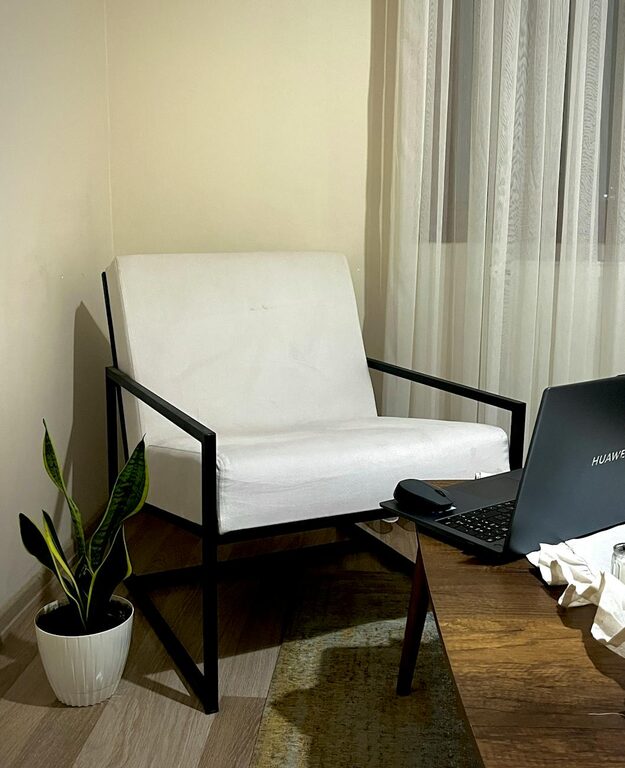
Creating a relaxing home workspace is key to maintaining productivity and comfort, especially as many people continue to work remotely. A well-designed area can reduce stress, help you focus, and make work feel less like a chore. Whether you have a dedicated room or a small corner, you can create an environment that supports your well-being and efficiency.
Why a Relaxing Workspace Matters
Working from home has many perks, but it also presents challenges such as distractions and burnout. A calming workspace helps:
– Minimize mental clutter
– Encourage concentration and creativity
– Support a healthy work-life balance
– Promote physical comfort
Now, let’s explore practical ways to set up your ideal space.
Choose the Right Location
Your workspace location impacts comfort and productivity. Consider these factors:
Natural Light
– Position your desk near a window if possible
– Natural light improves mood and alertness
– Avoid glare by using sheer curtains or adjustable blinds
Noise Levels
– Pick a quiet spot away from household traffic
– Use noise-cancelling headphones or white noise machines if needed
Privacy
– Create a buffer zone if sharing space with others
– Use room dividers or screens for separation
Invest in Comfortable Furniture
Your furniture affects your posture and comfort throughout the day.
Ergonomic Chair
– Choose a chair with adjustable height and lumbar support
– Sit with feet flat on the floor and knees at 90 degrees
Desk
– Select a desk that fits your space and work tools
– Consider sit-stand desks to alternate positions and reduce fatigue
Additional Supports
– Use a footrest if needed
– Add a monitor stand to keep your screen at eye level
Organize for Clarity and Efficiency
Clutter can increase stress and distract you from tasks. Effective organization includes:
Declutter Regularly
– Keep only essential items on your desk
– Store supplies in labeled containers or drawers
Use Cable Management
– Gather cables with clips or sleeves to avoid tangles
– A tidy desk promotes a peaceful vibe
Add Storage Solutions
– Shelves, filing cabinets, or baskets help keep things accessible but out of sight
Choose Calming Colors and Décor
Color and decoration affect your mood and focus.
Color Palette
– Soft, neutral colors like blues, greens, or light grays create a soothing atmosphere
– Avoid overly bright or stimulating colors for main walls
Personal Touches
– Add plants to bring nature indoors; they improve air quality and reduce stress
– Frame inspiring artwork or photos that make you happy
Lighting
– Use warm light bulbs to create a cozy feeling
– Add a desk lamp for task lighting without harsh overhead glare
Incorporate Relaxation Techniques
Small additions can help you stay calm during busy workdays.
Aromatherapy
– Use essential oil diffusers with lavender or eucalyptus scents for relaxation
Break Space
– Designate an area for short breaks with comfortable seating or cushions
Mindfulness Tools
– Keep stress balls, fidget devices, or journals nearby to manage tension
Maintain a Healthy Routine
How you use your space impacts its relaxing quality.
– Set clear work hours to separate work from personal time
– Take regular breaks to stretch or walk around
– Keep your workspace clean and tidy at the end of each day
Final Thoughts
Creating a relaxing home workspace is a personal process that blends comfort, organization, and aesthetics. By choosing the right location, investing in ergonomic furniture, organizing clutter, and adding calming accents, you can transform your work area into a space that supports both productivity and peace of mind. Start small with one or two changes, and gradually customize your space to best fit your needs.
Remember, a calm environment encourages a calm mind—both are essential for your best work.